
Fusion Jewellery That Blends Colour, Style & Statement into One Look
Helpful Jewellery Guides
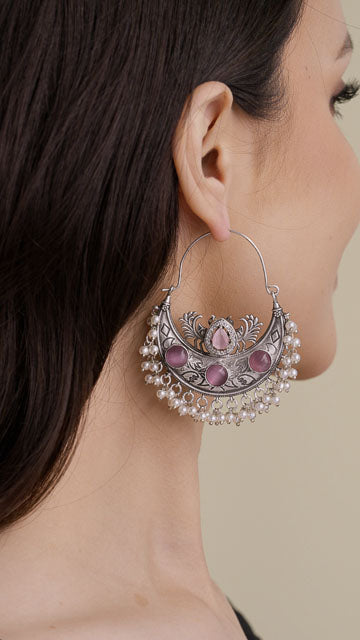
$59.00
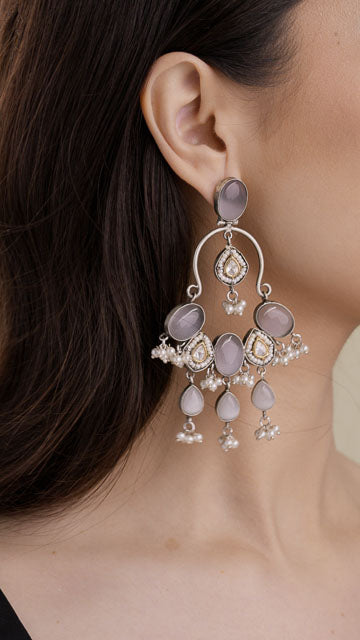
$69.00
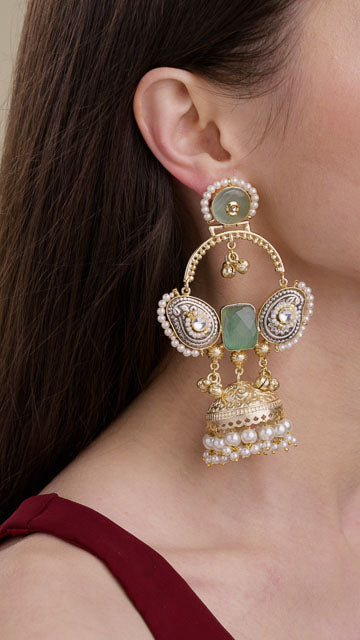
$45.00
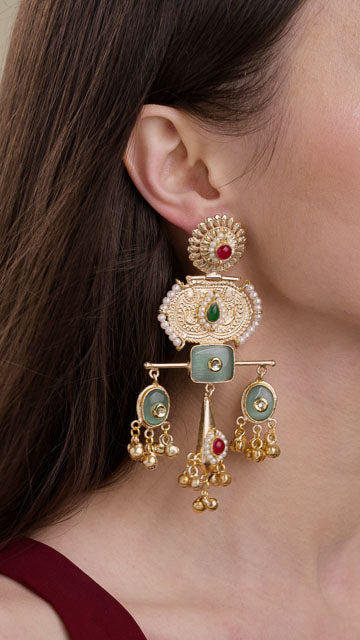
$55.00
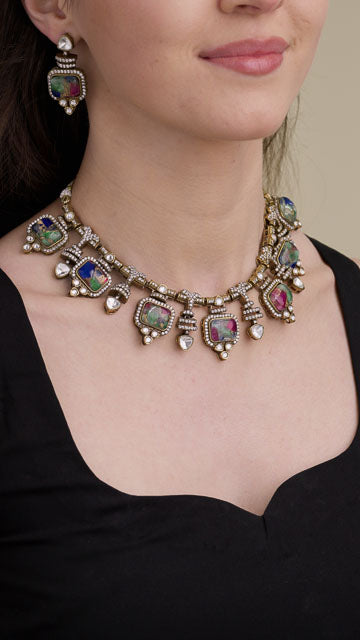
$139.00
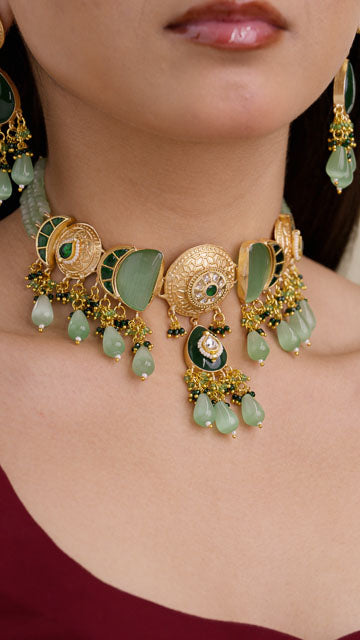
$129.00

$129.00
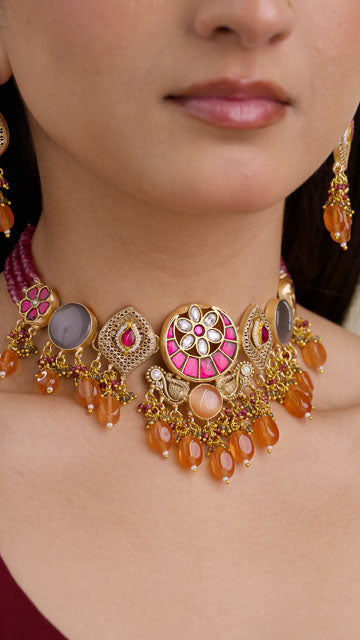
$139.00
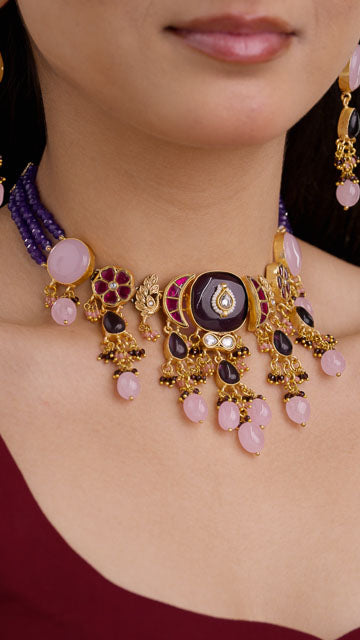
$139.00
$149.00
$129.00
$175.00
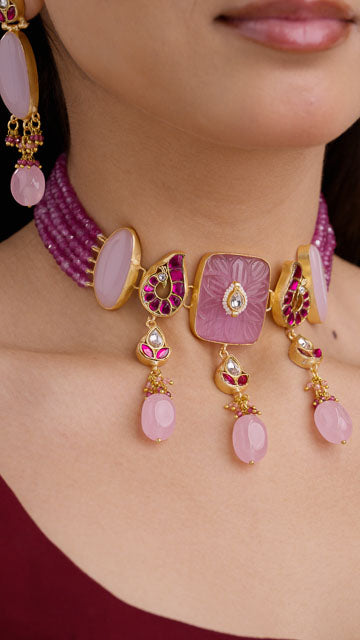
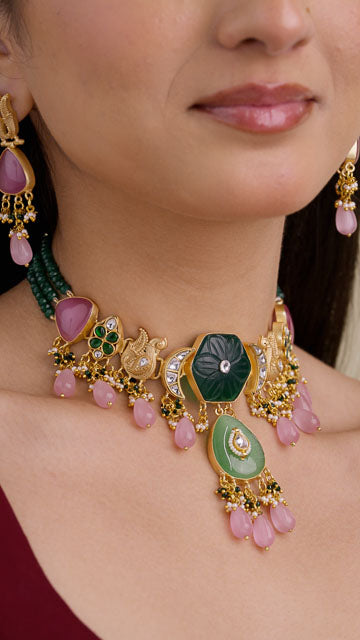
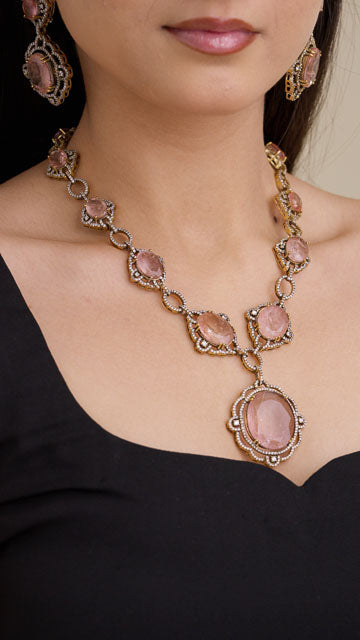
Fusion jewellery is where different jewellery languages come together inside the same piece. Instead of staying within one strict family such as only Kundan, only American Diamond, or only oxidised styling, this collection brings together mixed tones, mixed textures, mixed design references, and sometimes mixed colours to create something more expressive. You will often see a single necklace or earring combine kundan-look elements with enamel-style surfaces, bead clusters, pearl drops, floral carving, antique influence, oxidised contrast, or multi-tone metal finishing. That layered combination is what gives fusion jewellery its identity. It feels interesting, slightly unexpected, and more open in character, but still intentional when done well.
While many fusion pieces are colourful and playful, the category is not limited to colour. Some designs stay within softer or neutral tones and focus more on blending structure, finish, or styling language rather than using multiple colours. Others lean into abstract layouts or mixed silhouettes that do not fit neatly into a single jewellery type. This flexibility is an important part of what defines fusion jewellery. It is not about how bright a piece looks, but about how different elements are brought together to create something that does not belong to just one category.
This is one of the most useful jewellery categories for pre-wedding and expressive occasions. Mehndi, haldi, sangeet, mayian, wedding welcome events, and festive gatherings all sit naturally with fusion jewellery because these occasions allow more freedom in styling. It works especially well when the goal is not to follow a fixed traditional look, but to create something more personal, styled, and memorable. Brides can use it for lighter wedding functions, and guests can use it to wear something distinctive without stepping into full bridal territory.
The strength of fusion jewellery is that it gives you more styling freedom, but that freedom still needs balance. Because the piece itself may already carry multiple elements, it usually looks strongest when the outfit gives it enough visual space. A colourful but not overly crowded lehenga, a draped pre-wedding outfit, a haldi or mehndi look with cleaner base tones, or an Indo-western silhouette can all hold this category well. If the clothing already has dense embroidery or too many competing details, it often works better to let the jewellery become the main point rather than adding more layers.
When choosing from this collection, think less about rigid product labels and more about the styling mood you want to create. Some pieces feel soft and tonal, some are bold and colourful, some mix metal finishes, and some stand out through structure rather than colour. Fusion jewellery is not defined by one narrow appearance rule. It is defined by thoughtful combination, versatility across occasions, and the ability to express a more individual styling direction.
Frequently Asked Questions
What exactly makes a piece fusion jewellery instead of Kundan, American Diamond, or another single style?
Which wedding functions suit fusion jewellery best?
Is fusion jewellery only for brides, or does it work better for guests and family members?
How do I style fusion jewellery when the piece has multiple elements or colours in it?
Does fusion jewellery always mean colourful jewellery?
Does fusion jewellery look better with plain outfits or with heavily embroidered outfits?
How do I choose between a fusion necklace and fusion earrings if I do not want the look to feel too busy?
Can fusion jewellery include both gold-tone and silver-tone details in the same piece?
What kind of outfits pair naturally with fusion jewellery?
How can I tell whether a fusion piece will feel styled or just random?
Is fusion jewellery something I can rewear after the wedding events are over?
What should I focus on in product videos when buying fusion jewellery online?


