
Rajwadi Jewellery for Traditional & Bridal Styling
Helpful Jewellery Guides

$79.00
$29.00
$69.00
$69.00
$49.00
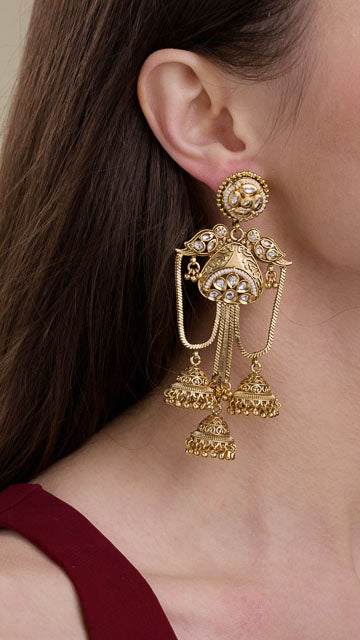
$55.00
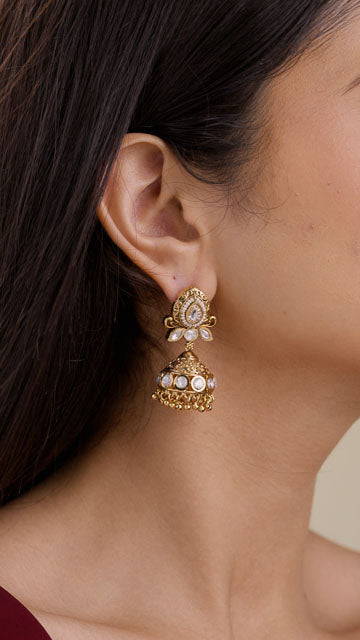
$49.00

$35.00
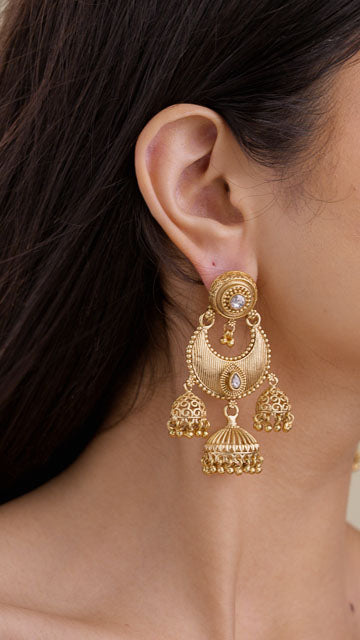
$39.00
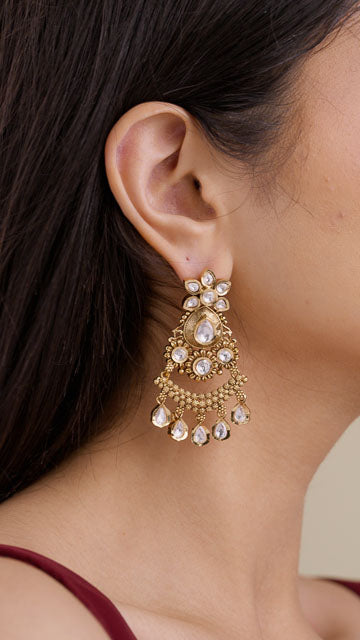
$45.00
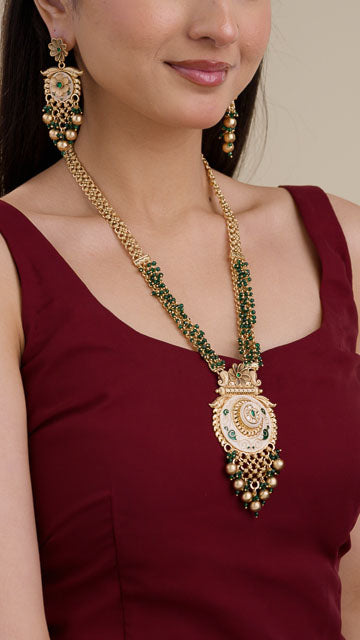
$99.00
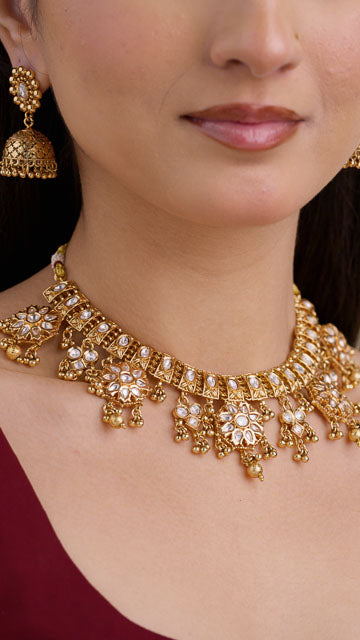
$125.00
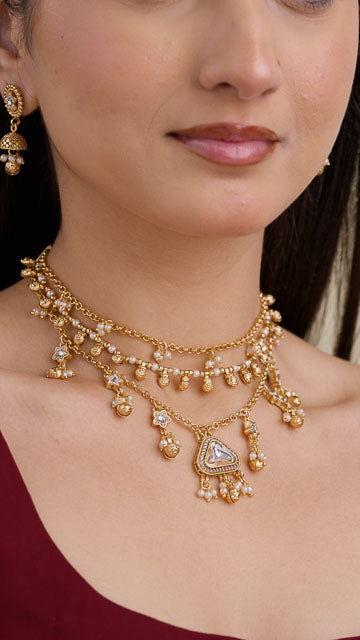
$69.00
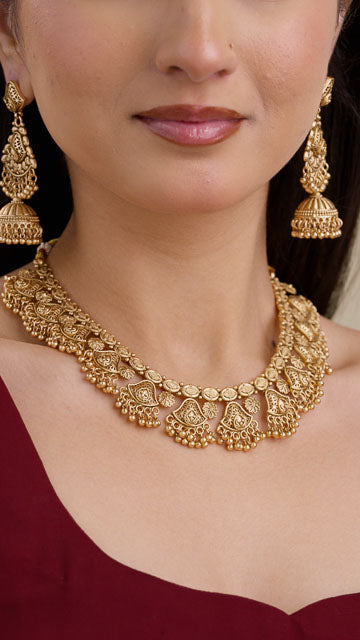
$99.00
$59.00
$69.00
$99.00
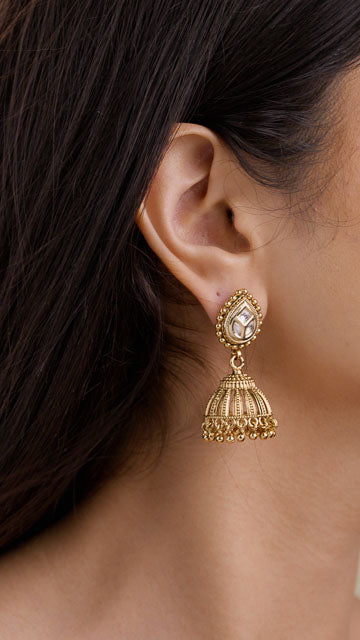
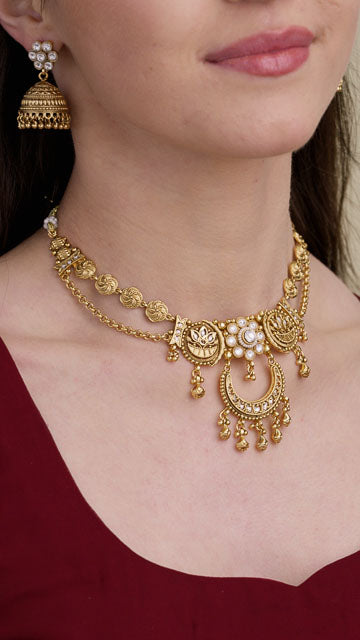
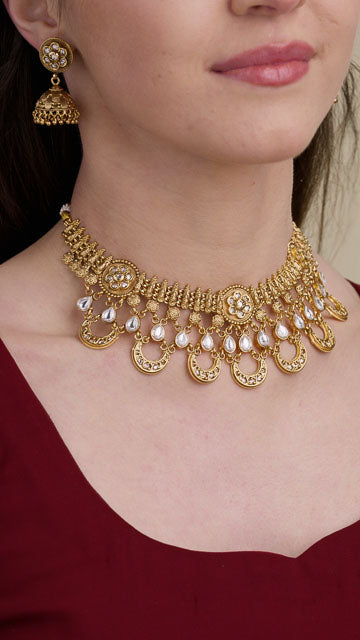
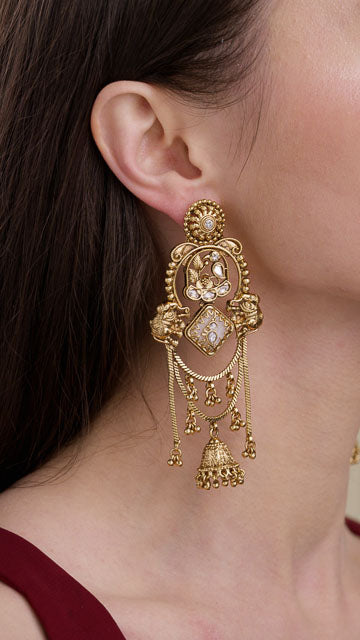
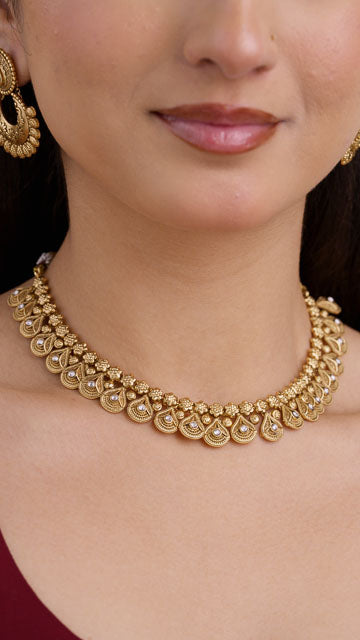
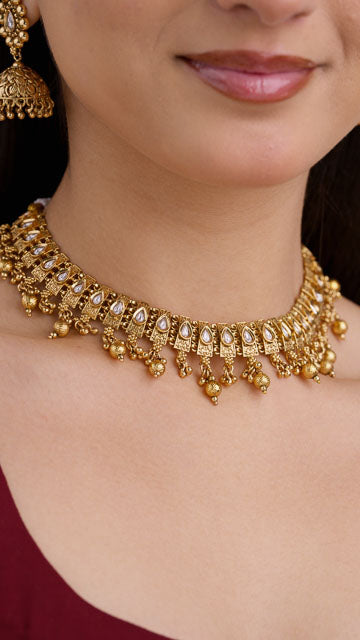
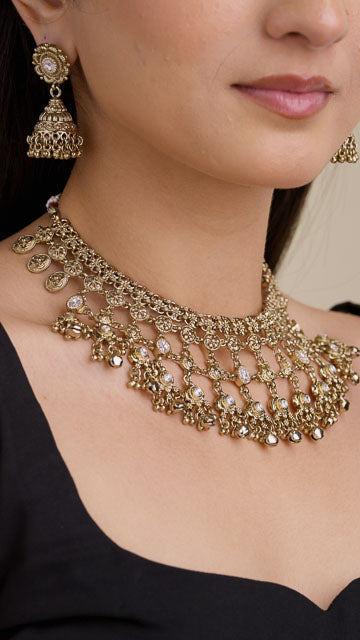
Rajwadi jewellery is defined by its focus on visible detailing and surface design rather than stone dominance. The style is primarily seen in antique gold and matte gold plated finishes, with antique-toned variations adding depth, while high gold appears more selectively within the collection. Carved motifs, floral patterns, and jali-inspired elements form the core identity, creating visual richness through structure, layering, and clearly defined patterns that remain visible across the entire surface.
Some pieces may include kundan-look elements or meenakari accents, but these usually act as supporting details rather than the main feature. The emphasis remains on ornamental depth, traditional craftsmanship, and a more grounded visual presence compared to more reflective or stone-heavy styles. This makes Rajwadi jewellery especially suitable for bridal wear, wedding functions, and festive occasions where a regal and heritage-inspired look is preferred.
When styling Rajwadi jewellery, balance becomes important. If the outfit already carries heavy embroidery or layered textures, choosing pieces with clearer structure and controlled detailing helps maintain a refined look without feeling overly dense. For larger occasions, fuller sets can create a complete appearance, while for smaller events, selecting one strong element often feels more wearable.
Pay attention to how the piece sits in real wear — not just how it looks on its own. Look for clean spacing between elements, clarity in the patterns, and proportions that feel balanced against your outfit. In Rajwadi styles, how the design reads from a distance and how comfortably it sits matters more than size alone.
Frequently Asked Questions
How do I know if Rajwadi jewellery is the right style for my outfit?
When should I choose Rajwadi jewellery instead of Kundan?
Should I wear a full Rajwadi set or keep the look more controlled?
How can I stop Rajwadi jewellery from looking too heavy on me?
Which Rajwadi tone should I choose for a more traditional look?
Is Rajwadi jewellery only for brides, or can it work for other occasions too?
What should I pay attention to when buying Rajwadi jewellery online?
Can Rajwadi jewellery work with simpler outfits, or does it need heavy clothing?


