Kundan Jewellery for Weddings & Special Occasions | IndianJewellery.com
Kundan Jewellery for Weddings & Special Occasions
Kundan earrings, necklace sets, chokers and bridal styles in gold, antique gold and champagne tones


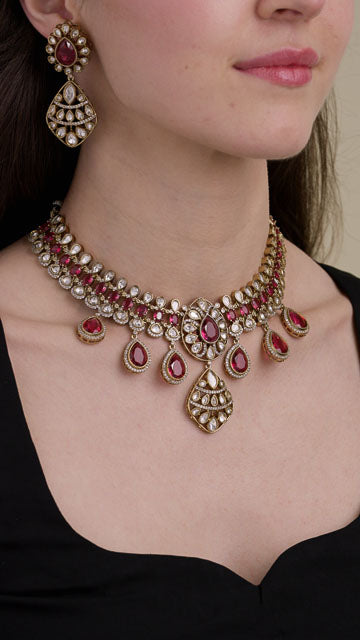
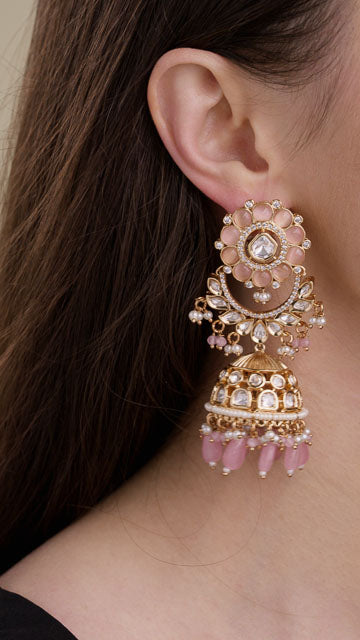
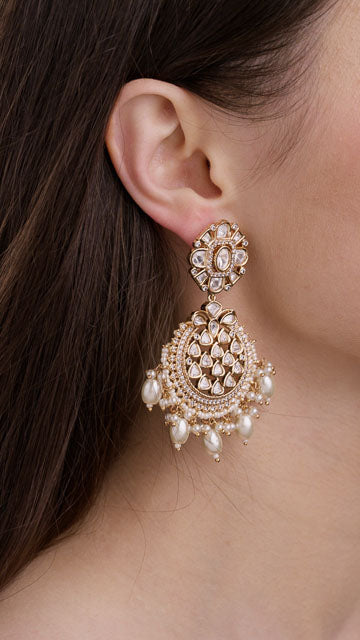
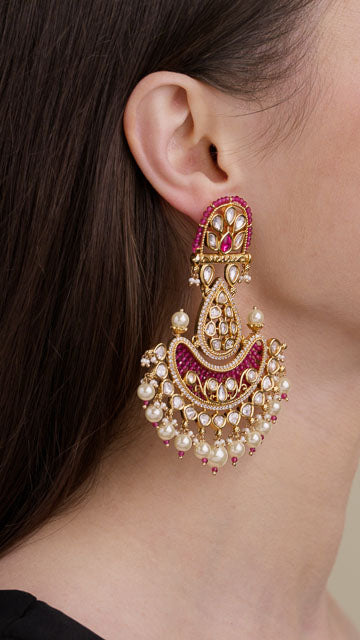
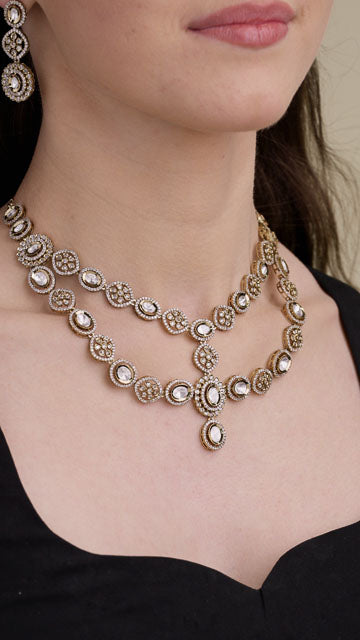
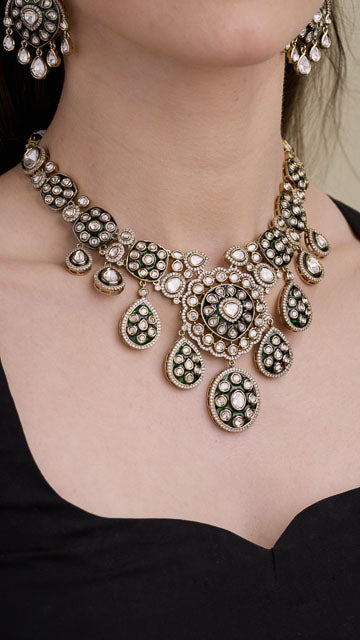
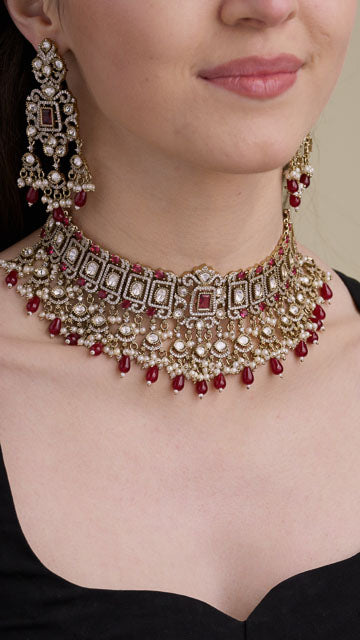
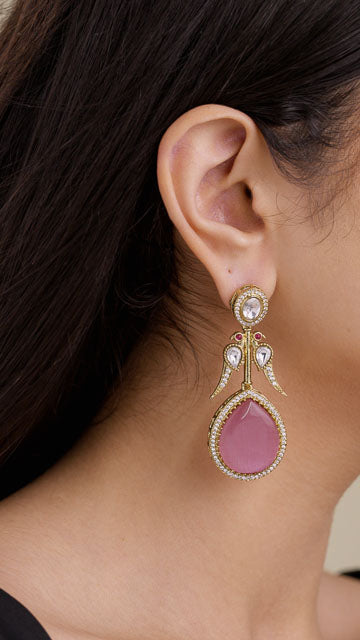
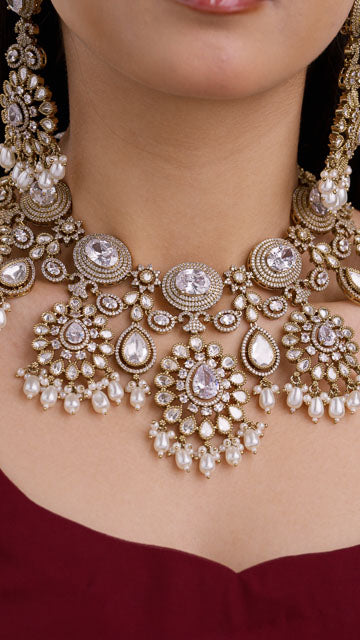
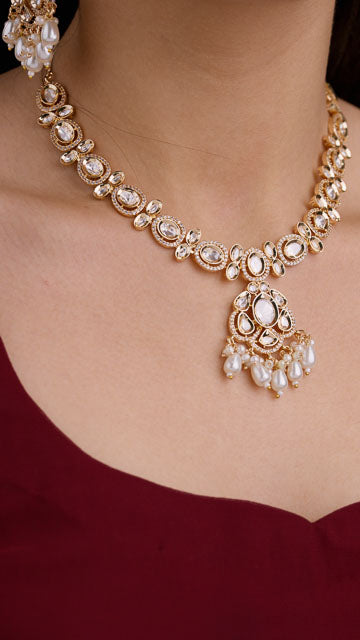
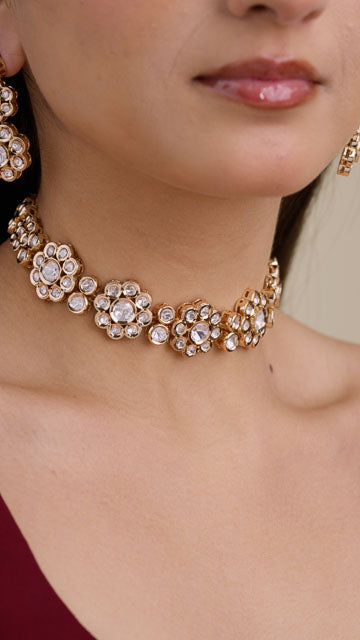
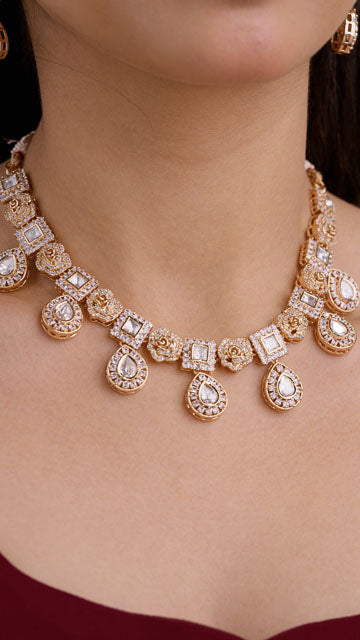
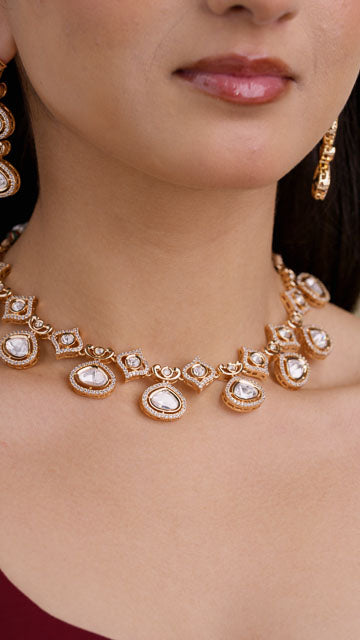
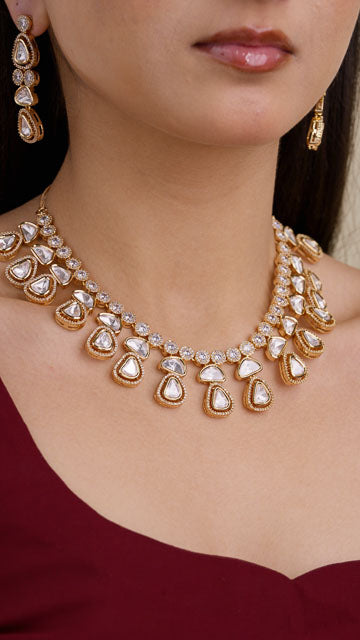
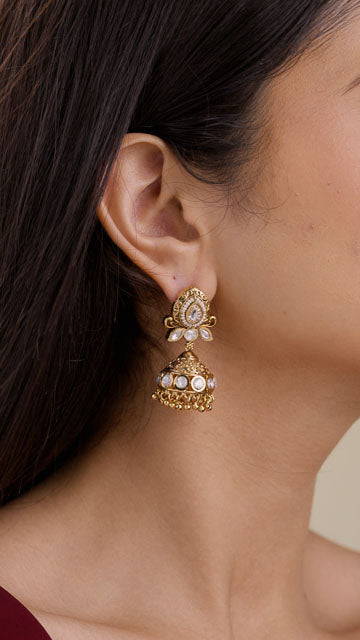
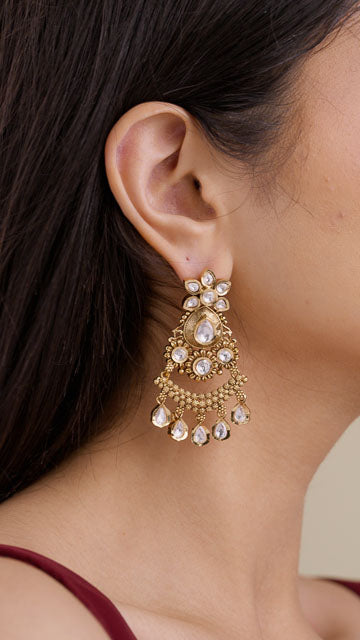
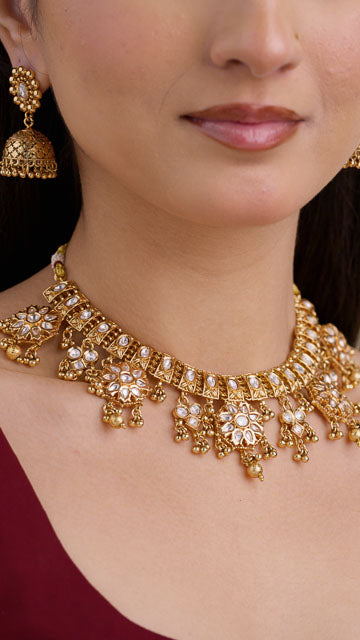
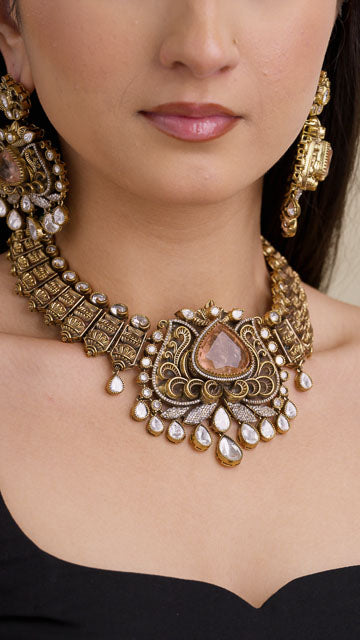
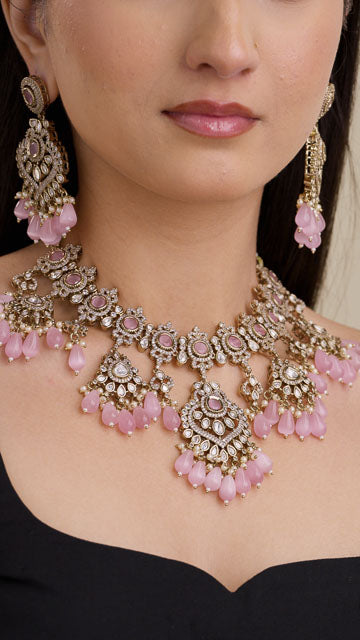
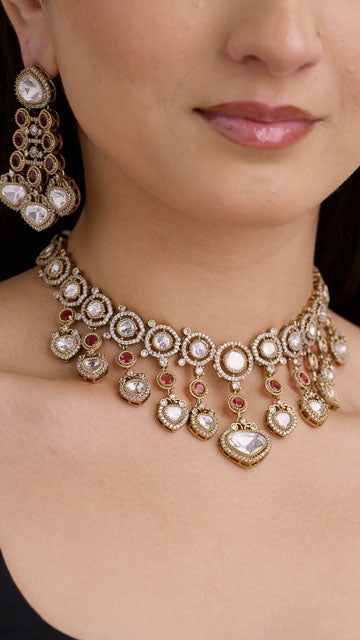
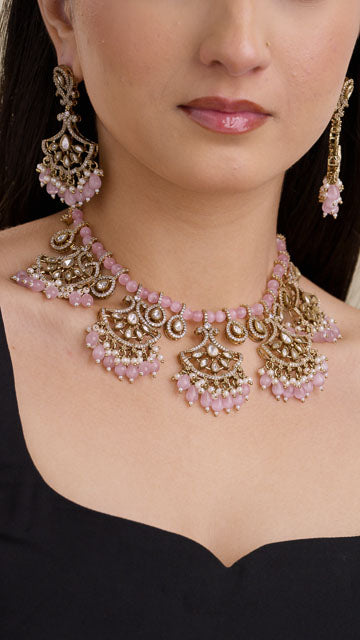
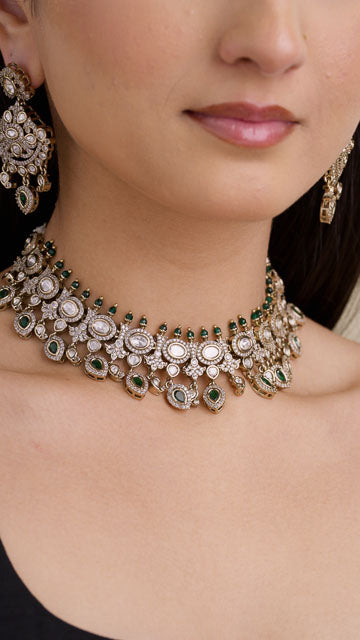
Explore Kundan jewellery for bridal, wedding and occasion wear, including earrings, necklace sets, chokers and traditional accessories. Designed to work with embroidered outfits, lehengas, sarees and festive wear, this collection balances traditional detailing with modern finishes in gold, antique gold and champagne tones. Choose pieces based on tone, spacing and silhouette to achieve a refined and well-proportioned look.

30 products

Frequently Asked Questions

Kundan jewellery originally refers to a traditional Indian stone-setting technique where stones were set using highly refined gold foil. Over time, the term has also come to describe a distinct jewellery style — known for its soft reflective look, detailed settings and classic bridal appearance.

Today, most kundan jewellery available online is made using a similar visual approach rather than the original gold-based technique. It typically involves shaped glass elements with a reflective foil backing, set within a metal framework to create the same depth and glow associated with traditional kundan.

On IndianJewellery.com, we use the term Kundan to describe this recognised style, while clearly presenting the actual materials and construction. This helps keep the visual identity familiar while ensuring the information remains accurate and easy to understand.

Our kundan-style pieces use a back-setting construction where glass elements are supported by a reflective foil layer, typically silver-toned, and then secured within a metal framework. This foil backing reflects light through the glass, creating the depth and glow that kundan jewellery is known for, while keeping the structure stable for regular wear.

The key is to understand how the jewellery sits when worn, not just how it looks in a close-up image. Look at how far the piece drops, how much space it occupies, and how it frames the neck and face — these are the details that define whether it feels balanced or too heavy.

On IndianJewellery.com, we use a video-first format to make this easier to judge. The videos show movement, scale and proportion in a clean setting, along with finer details like stone placement, spacing and overall finish, so you can see how each piece actually sits rather than relying only on static images.

Match the jewellery tone to the embroidery, not just the outfit colour. Bright gold works well with traditional yellow-toned zari. Antique gold blends better with deeper embroidery. Champagne gold sits in between and often works best with modern bridal palettes and softer metallic finishes.

Kundan jewellery refers to the setting style and is commonly made today using foil-backed glass elements. Polki jewellery uses uncut natural diamonds, which have a different surface texture and material value. While the two can look similar visually, they are not the same in composition.

Because of the foil-backed construction. The reflective layer behind the glass elements creates a soft, slightly irregular glow that can resemble uncut polki surfaces from a distance. This is why some designs are casually described as “kundan-polki” in the market, even though the materials and construction are different.

It comes down to spacing and proportion. Designs with controlled placement and visible gaps tend to look more refined. When too many elements are packed tightly together, the piece can feel visually dense.

CZ (American Diamond) stones are often added to sharpen the overall look. The kundan-style glass elements give depth and softness, while CZ adds brightness and edge definition. Combining the two helps create pieces that feel balanced — traditional in structure but cleaner and more defined when worn.

No. Bridal pieces are simply the heaviest versions. Many kundan designs are created in lighter layouts with fewer layers, making them suitable for receptions, festive events and smaller functions as well.

Because the term is used both for a traditional jewellery-making technique and for a widely recognised visual style. Many products are labelled as kundan based on appearance alone, which is why clarity around materials and construction matters.

Kundan-style jewellery is made using plated finishes over an alloy base, so it is not permanent like solid gold. With occasional wear and basic care — avoiding moisture, perfumes and friction — the finish can remain stable for a long time.

This comes down to the finish tone. Traditional kundan jewellery is often bright gold, while antique gold and champagne tones reduce that brightness and sit more naturally with modern embroidery and softer metallic finishes.